
Always check with your doctor or PT if you’re unsure whether a supplement is right for you.
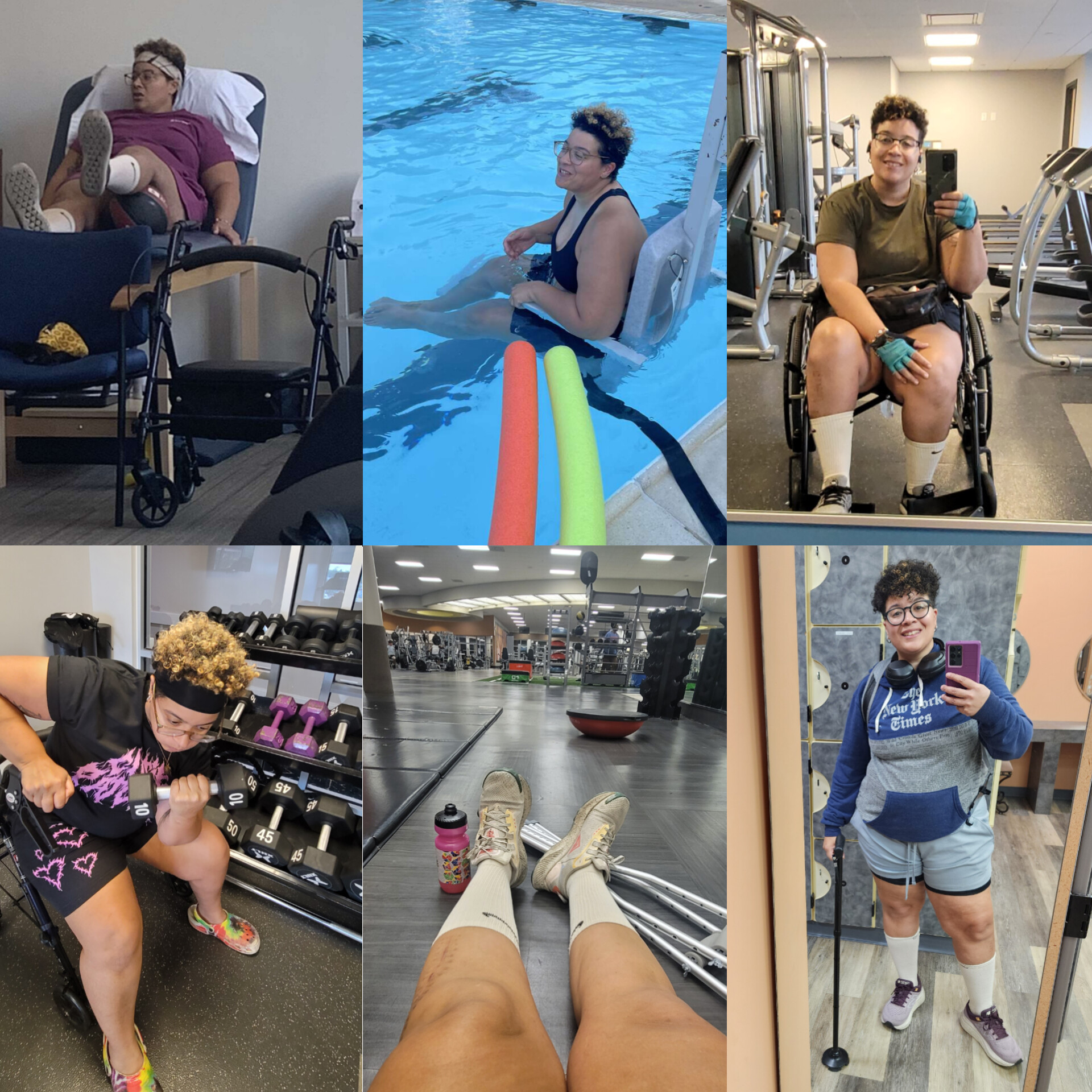
Recovering from a knee injury takes time, patience, and structure. These are the supplements that actually helped me rebuild strength, reduce stiffness, and stay consistent through my tibial plateau fracture recovery.
Nothing here is medical advice. This is based my lived experience navigating healing and strength training.
1. Strength and Building Muscle
Creatine Monohydrate
Creatine has helped me rebuild strength, feel more stable during lower-body workouts, and stay consistent with my energy. I have now been through 2.5 cycles of creatine monohydrate and it has been noticeable at around 3 weeks of consistently taking it daily.
Creatine monohydrate a natural compound your body already makes, and it helps improve strength, power, and muscle recovery.
One caveat — creatine does make me have to pee more often! This is important to note because it’s often more difficult to move quickly when your dealing with an injury. At the very least, make sure you take bathroom breaks often to avoid an accident.
Science-based info: Creatine monohydrate is the most researched and most evidence-backed form of creatine on the market. Loads of research here,
Without protein, your body cannot repair muscle or support the strength you’re training for.
Protein Shakes
If you have never tried protein shakes before, don’t rush to buy in bulk. Lots of stores, even convenience stores, have single servings available. I highly recommend finding something that tastes good to you and meets your needs. To be honest, many of them have an aftertaste so its best to be prepared for that. There are plenty of options available to explore.
I personally like OWYN, which are vegan protein shakes. If you’re not lactose intolerant, Premier chocolate shakes are decent as well. If you’re on a budget, consider Aldi’s protein shakes which I personally believe tastes a little bit like Yoo-hoo, but definitely has an aftertaste.
Bottomline, protein shakes have helped me when standing to cook wasn’t realistic or my appetite was low. Having a few shakes deck at home for emergency became a must for me personally.
Meal Replacement Shakes
Much like protein shakes, meal replacement shakes are a lifesaver during early recovery. They kept my calories up, supported healing, and made eating effortless on days when I couldn’t do much else. I had leaned into meal replacement shakes quite a bit in the first few months post-injury. Ensure is what they gave me at the hospital so I continued with that.
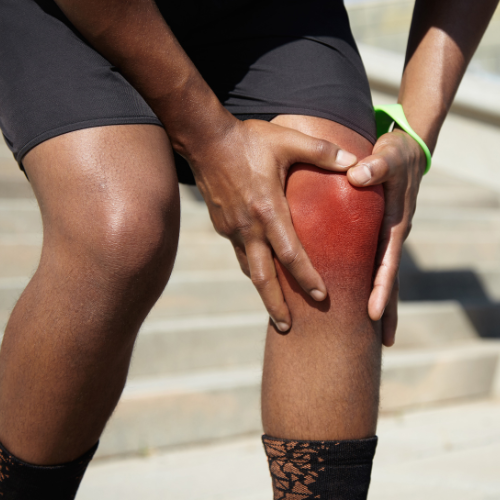
What’s the difference? UC-II works on joint structure, while turmeric + boswellia work on inflammation.
To be honest, I’m not sure which worked better because I took them both around the same time, but I definitely began to notice a difference after a few weeks of taking both consistently.
2. Joint Support
UC-II Collagen
UC-II collagen is a another very well-researched option that has helped reduce my daily stiffness and made movement feel smoother over time. It is definitely subtle, but I found it to be supportive over time.
UC-II collagen is one of the only collagen types with real clinical research behind it for joint support. Most collagens on the market (hydrolyzed collagen peptides, powders you stir into drinks, flavored collagens, beauty collagens, etc.) do not have strong research for joint stiffness or mobility.
Turmeric + Boswellia
Turmeric and boswellia are well-researched natural anti-inflammatories that help reduce joint stiffness and support smoother movement.
3. Sleep + Recovery
Magnesium
The best types of magnesium for sleep are Magnesium Glycinate and Magnesium L-Threonate. These types support deeper sleep, reduced muscle tension, and help me wake up feeling more recovered. A nighttime essential for me during recovery.
When it comes to muscle tension and relaxation, my personal favorite are MegaFood Relax + Calm Magnesium Soft Chews – Citrate & Malate. I have tried others, they work just fine, but I like that it taste like a little treat!
Magnesium citrate and malate may actually energize some people, but in general they help you to unwind, reduce muscle soreness, and improve muscle recovery.
Daily Multivitamin
Nothing new and exciting about taking daily multivitamins, but it’s reliable. I was taking daily vitamins prior to injury and overall they help fill in nutrient gaps on days when my appetite is not inconsistent or cooking is overwhelming.

Warning:: do keep in mind, there are many types of magnesium supplements. *Magnesium oxide is a laxative!*
Final thoughts
Supplements don’t heal a knee on their own, but they can make the recovery journey more manageable. These are the tools that supported my strength, mobility, and daily comfort. If you’re rebuilding after an injury, start simple, stay consistent, and listen to your body — it always tells the truth.